
Our Most Popular Pet Tracker Wasn’t Good Enough
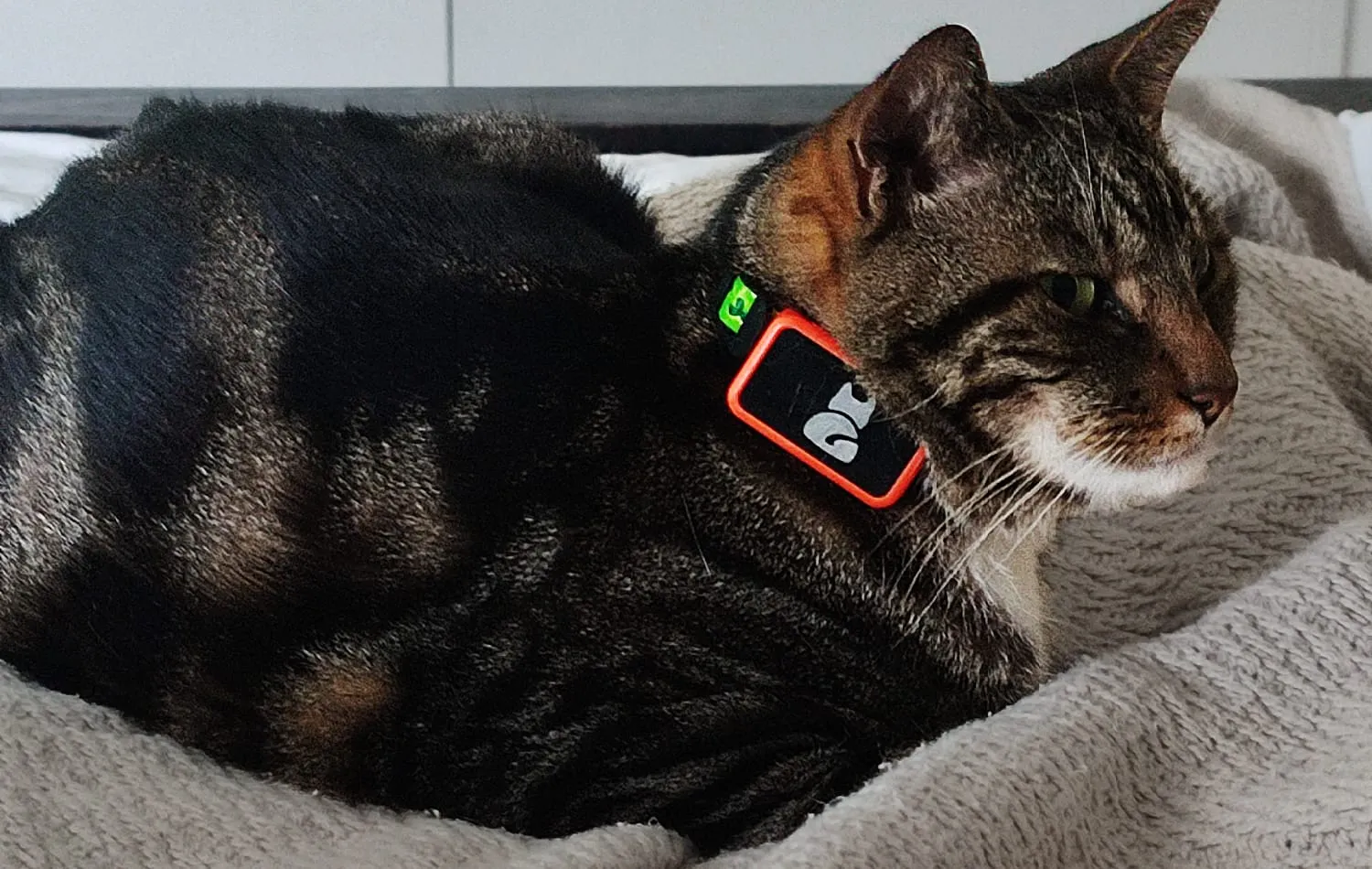
Sometimes the best-selling product isn’t the best product
For a long time, one of our most popular GPS trackers was the
C1 Scout.
Customers loved it because it was:
- Lightweight
- Affordable
- Easy to use
On paper, it ticked all the boxes.
But real-world use tells a very different story.
As more customers used the C1 over time, patterns started to emerge.
Not immediately. Not in week one.
But after about 30–60 days:
- Devices going offline more frequently
- Battery life dropping faster than expected
- Inconsistent or delayed location updates
- Units struggling after exposure to rain or rough use
At first, these seemed like isolated issues.
They weren’t.
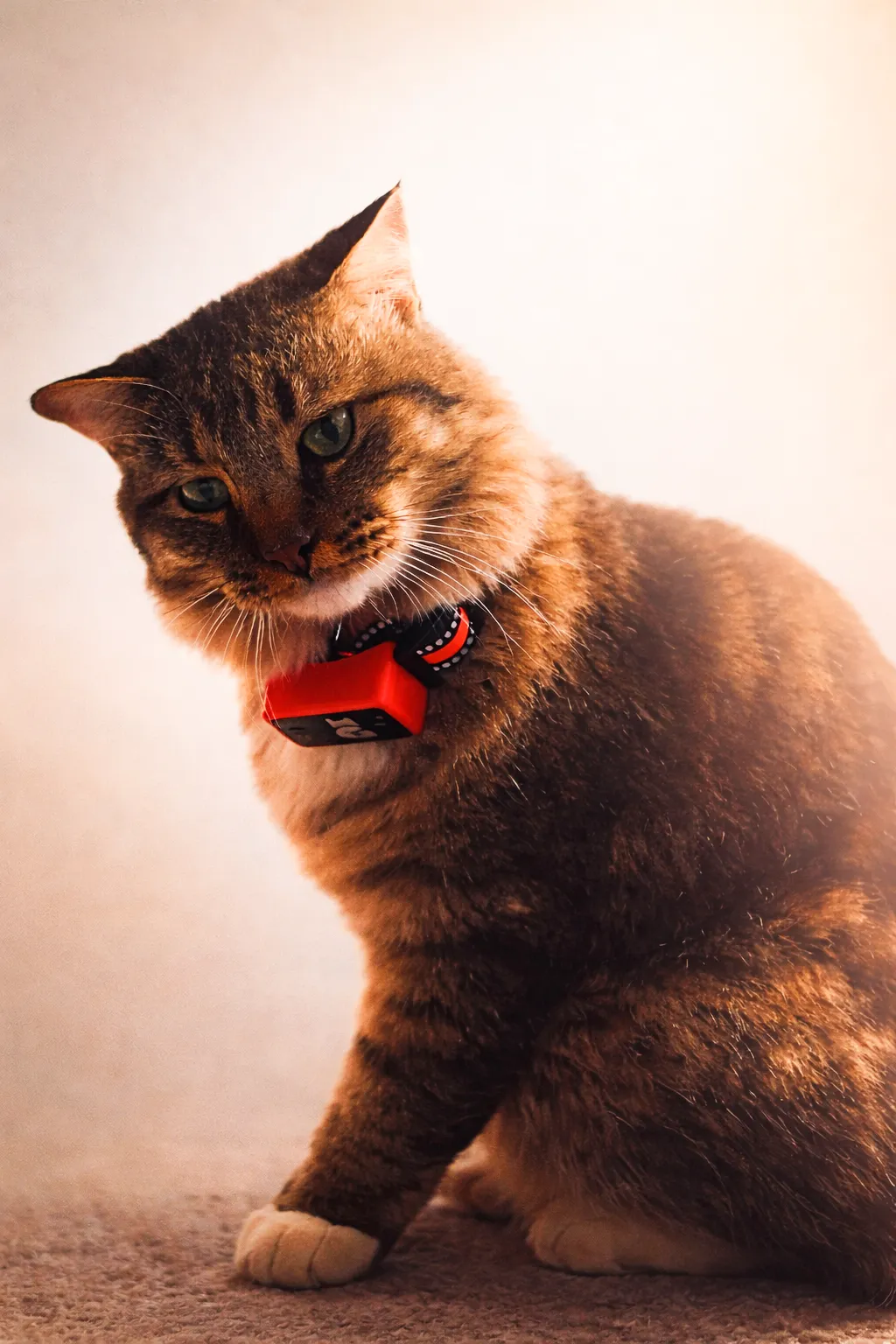
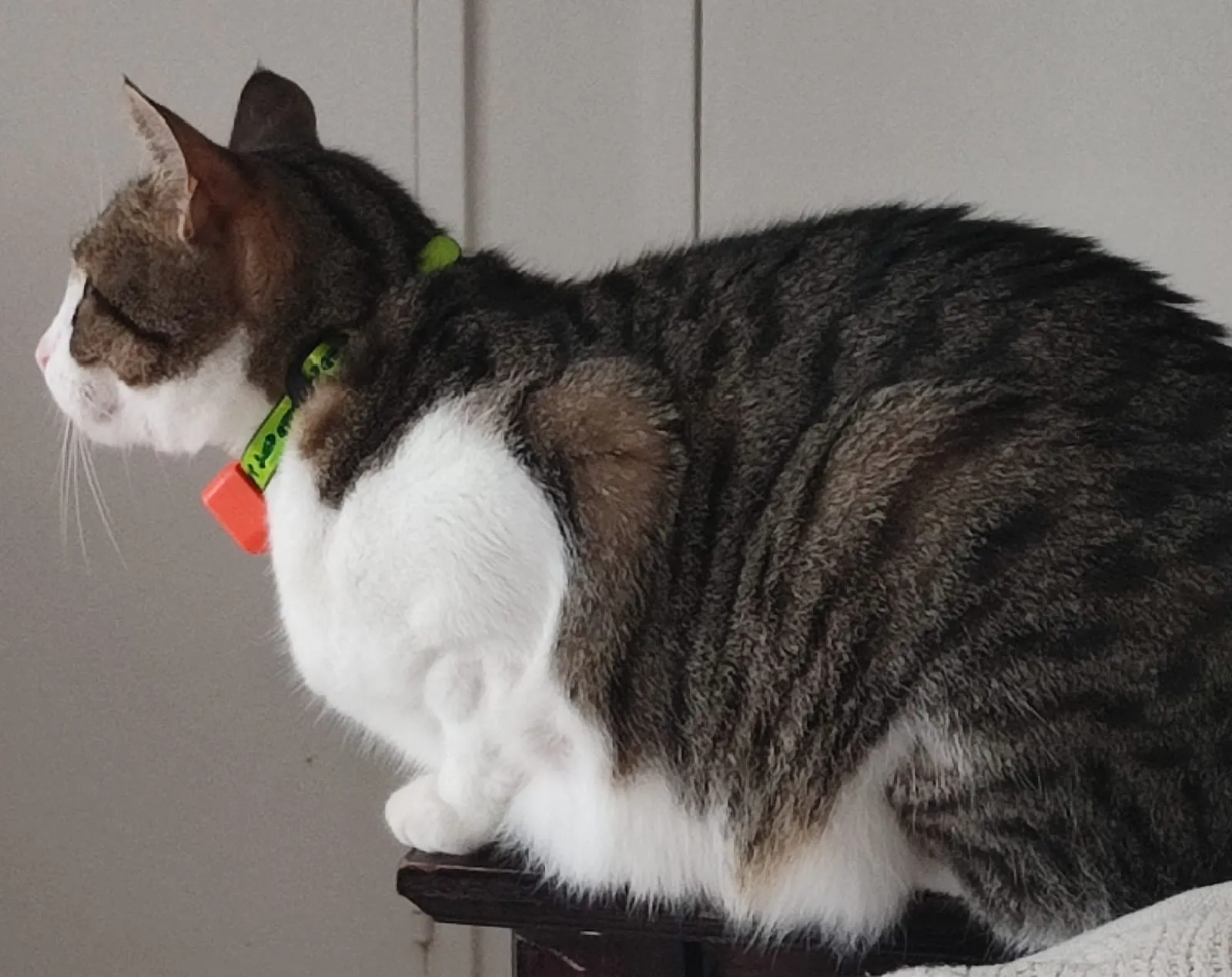
The turning point
We don’t just sell trackers. We use them on our own dogs.
And we started seeing the same problems ourselves.
That’s when it stopped being a “customer support issue”…
and became a product reliability problem.
A tracker that works most of the time is not good enough.
Not when someone’s dog could be missing.
Why this happens (and why most companies ignore it)
Here’s the part most brands won’t tell you:
Many entry-level GPS trackers rely on:
- Lower-quality batteries that degrade quickly
- Weak network modules that struggle over time
- Basic waterproofing that doesn’t hold up in real conditions
It keeps costs down.
It helps them sell more units.
But long-term reliability suffers.
Most companies just keep selling anyway.
Why we made the call to stop selling it
We had a choice:
- Keep selling a popular product and deal with complaints later
- Or remove it and focus on something better
We chose the second option.
Because a pet tracker is not a “nice-to-have” gadget.
It’s a safety device.
And safety devices need to work when it matters most.

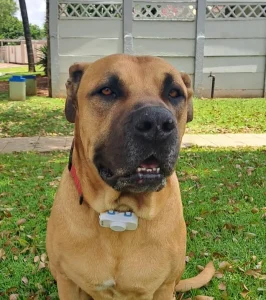
What we recommend instead
We didn’t just remove the C1.
We replaced it with trackers built to solve those exact issues.
Built for durability and consistent everyday tracking.
Stronger battery performance and longer usage between charges.
Faster updates and a more responsive tracking experience.
Each of these was selected based on real-world testing, not just specs on a box.
What this means for you
If you’re using a pet tracker right now, ask yourself:
- Is it still performing the same as day one?
- Do you trust it if your dog runs off today?
If the answer is “not really” … that’s the problem.
Final word
We didn’t stop selling our most popular tracker because it wasn’t selling.
We stopped because it wasn’t reliable enough.
Frequently Asked Questions
Why did you stop selling the C1 Scout?
Because it wasn’t good enough anymore.
It worked, people bought it, but we saw too many limitations in accuracy, battery life, and real-world reliability. Selling something just because it’s popular isn’t how we operate.
Was there something wrong with the tracker?
Not “broken” wrong.
But in real-world use, especially with active pets, it didn’t always perform the way we expect a safety product to perform. That’s a problem when people rely on it to find their pets.
Why was it so popular if it had issues?
Simple. It was affordable and easy to use.
For many pet owners, it was their first tracker. But popularity doesn’t always mean best. It just means it was the easiest entry point.
What did you replace it with?
We moved to a newer generation tracker designed to fix those exact issues. C2 Nomad
Better tracking accuracy, improved battery performance, and more reliable real-time updates when it matters most.
Do your trackers require a subscription?
No.
We’ve built our products specifically to avoid monthly fees, because tracking your pet shouldn’t feel like another bill you forget to cancel.
Is a GPS tracker really necessary for pets?
If your pet never leaves your side, maybe not.
But most lost pet stories start with “it only took a second.” A tracker isn’t about convenience. It’s about having a backup when things go wrong.
Why should I trust your products?
Because we’re willing to stop selling something that makes us money if it doesn’t meet our standards.
Most companies won’t do that. We did.